Learning how to plan a solo wellness retreat trip might feel intimidating when you spend your life catering to everyone else. You crave complete quiet, yet the thought of sitting alone with your thoughts in an unfamiliar place triggers instant nervousness. Giving yourself dedicated space to rest is not selfish. When you control your own daily schedule, genuine mental recovery finally becomes possible on your terms.
Define Your Personal Core Intention
Pinpointing your exact physical and mental burnout symptoms must happen before browsing any booking platforms. Are you physically exhausted from overworking, or mentally drained from social obligations? Physical fatigue calls for thermal mineral baths, daily naps, and restorative massage. Mental burnout requires silent walks, journaling, and strict screen boundaries.
Mixing these up creates frustration. For example, booking an intensive four-hour daily Ashtanga yoga retreat when your adrenals are depleted leaves you more exhausted than when you left home. Write down your single primary wellness goal on a piece of paper. Let that one specific goal dictate every decision you make from this point forward.

How to Plan a Solo Wellness Retreat Trip: Choose the Right Retreat Format
Choosing between an all-inclusive organized program and a self-guided DIY escape depends entirely on your social battery. Structured group retreats provide scheduled vegetarian meals, guided meditation circles, and built-in community. They take logistical stress off your plate, but you must adhere to someone else’s timetable and interact with strangers during communal dining.
A self-guided trip lets you rent a quiet cabin, cook your own food, and wake up whenever your body naturally stirs. If you find small talk draining right now, build a customized solo itinerary instead of joining a group program. You gain complete control over your environment, silence levels, and daily pace.
Select a Low-Stress Destination and Calculate the Real Budget
Booking a remote sanctuary that requires three flight connections and a four-hour mountain drive defeats the purpose of relaxing. Keep your travel radius simple, especially for your first solo wellness journey. A tranquil mountain lodge two hours from your house often works better than a stressful twelve-hour flight across continents.
When calculating your total expenses, account for hidden costs like airport transfers, mandatory resort gratuities, specialty meals, and individual therapy sessions. Many travelers stumble when figuring out how to plan a solo wellness retreat trip on a realistic budget because they forget that private villa surcharges and high-end spa taxes add up quickly. Give yourself a dedicated contingency spending buffer so unexpected costs never spike your blood pressure during your getaway.
Vet Accommodations and Solo Safety Protocols
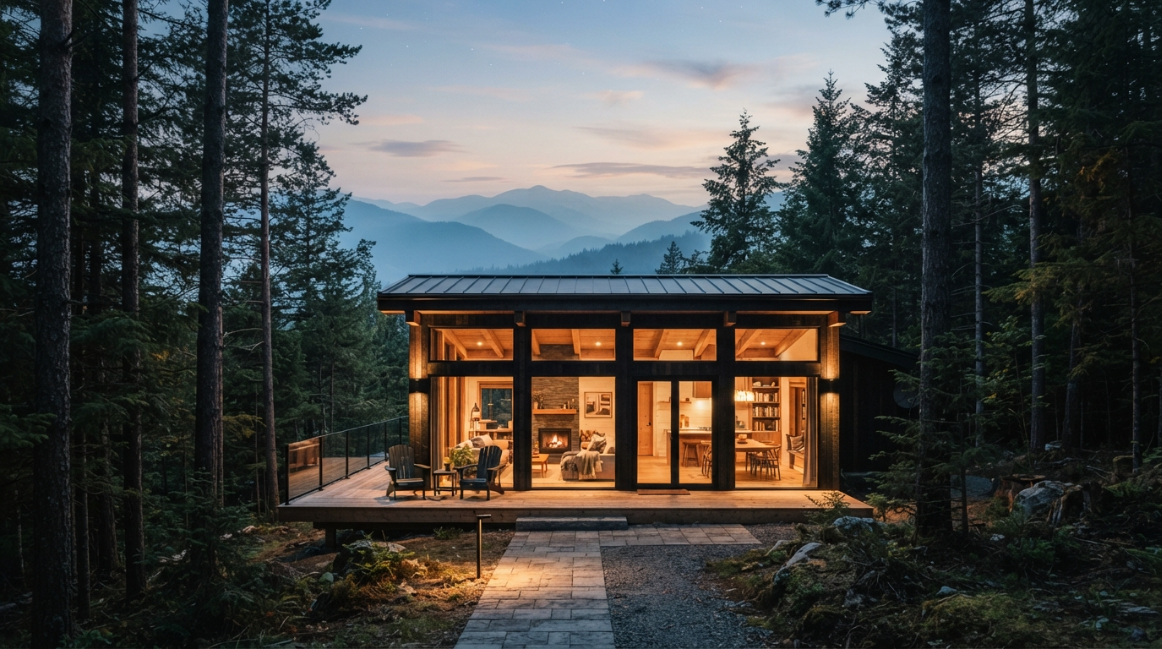
Thorough safety research gives you the peace of mind required to actually let your guard down. Contact the property manager before submitting your credit card deposit. Ask about on-site evening security, mobile reception coverage, proximity to medical care, and how they handle lone travelers.
Read reviews specifically written by other solo travelers on TripAdvisor or Google Maps. Look for comments mentioning secure room door locks, well-lit exterior paths, and respectful staff boundaries. Finding a property with dedicated solo traveler amenities ensures you feel sheltered and safe, which allows your nervous system to switch out of fight-or-flight mode.
Design an Uncluttered Daily Schedule
Packing your calendar with six consecutive wellness activities each day recreates the exact productivity trap you are trying to escape. Restrict your structured activities to a maximum of two blocks per day. Schedule a ninety-minute morning activity, such as a nature hike or guided breathwork, followed by an afternoon massage or hydrotherapy soak.
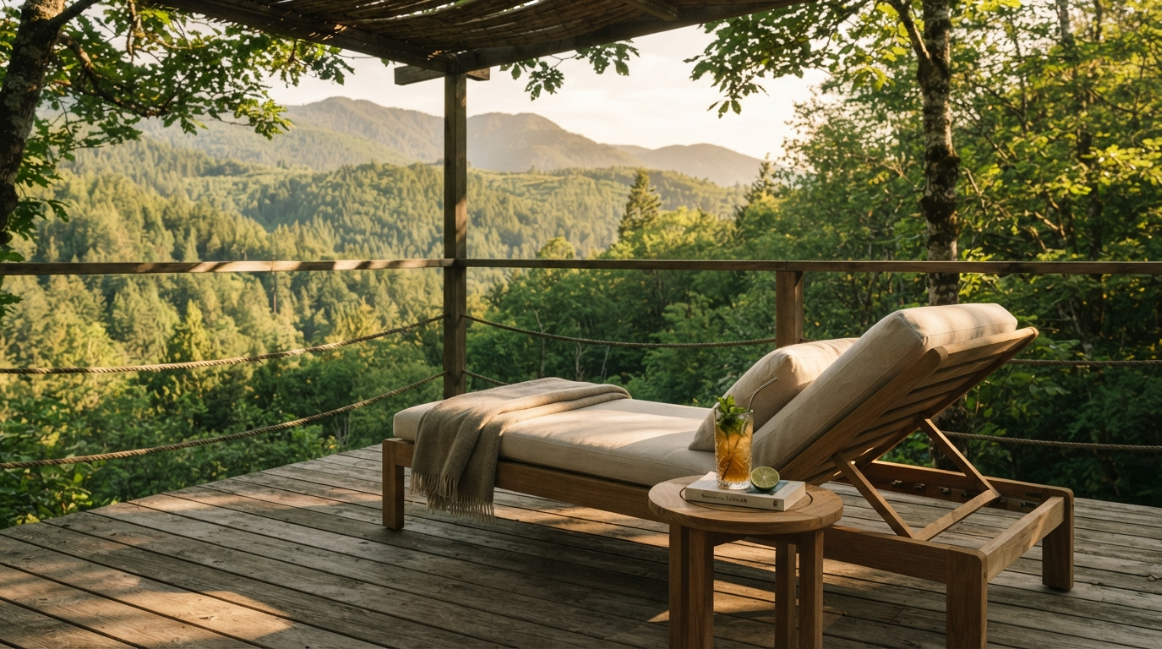
Leave the remaining four to five daylight hours completely blank. Unstructured time feels uncomfortable at first because our culture equates stillness with laziness. Resist the urge to fill empty blocks. Lounging on a shaded porch with an iced herbal tea while staring at trees is not wasted time, it is intentional restorative stillness.
Prepare Mentally for Solitude and Boredom
Sitting alone without your usual digital distractions often brings uncomfortable thoughts and restlessness to the surface. Expect a brief wave of loneliness or agitation during your first twenty-four hours alone. You will instinctively reach for your smartphone to check email or scroll social feeds every time silence settles over the room.
Pack an analog survival kit containing a thick sketchbook, a blank journal, watercolor paints, or a captivating fiction novel. Accepting that quiet downtime feels weird at first is crucial when executing how to plan a solo wellness retreat trip successfully. View boredom as proof that your hyperactive sensory system is finally downshifting into a calm resting state.
Pack Purposefully for Rest and Restoration
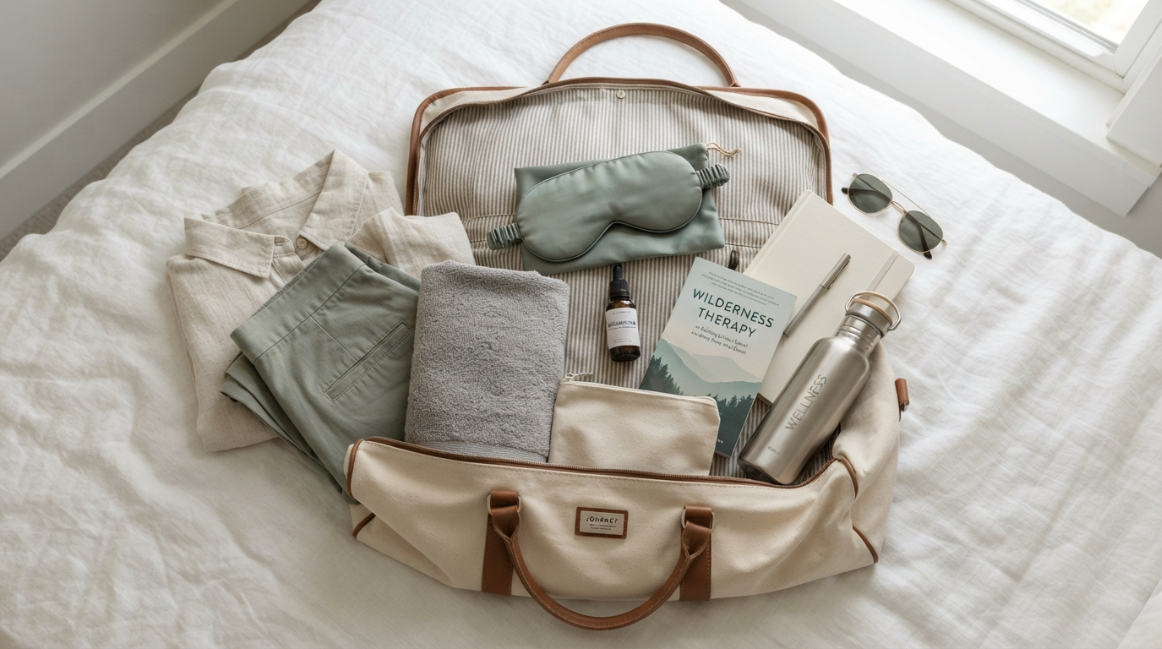
Lugging an oversized suitcase filled with fancy outfits creates unnecessary friction during transit. Limit your wardrobe to breathable linen clothing, loose yoga pants, slip-on shoes, and layers suited for shifting outdoor temperatures. Leave stiff formal wear, uncomfortable footwear, and heavy jewelry at home.
Pack high-utility comfort items like a weighted eye pillow, lavender essential oil, a portable sound machine, and your favorite herbal teas. Including a quality blackout sleep mask ensures irregular hotel lighting or early morning sun never interrupts your recovery sleep. The lighter you pack, the less mental weight you carry through transit terminals.
Establish a Gentle Post-Retreat Re-Entry Strategy
Crashing straight back into a chaotic work schedule on Monday morning instantly erases days of mindful relaxation. Build a mandatory buffer day between your retreat checkout and your return to the office. Use this quiet twenty-four-hour window to unpack your bags, do laundry, restock your home pantry, and ease your mind back into household rhythms.
Set your workplace email auto-responder to turn off twenty-four hours after you physically return so colleagues do not flood your inbox immediately. Protecting your newfound mental clarity and calm requires setting firm boundaries before you even board your return flight home.
Frequently Asked Questions
Is it safe to take a solo wellness retreat as a first-time solo traveler?
Solo wellness trips are among the safest travel styles because retreat centers and spa resorts cater specifically to individual guests. These properties emphasize security, private grounds, and quiet atmospheres. Choosing an established resort with positive solo reviews ensures a supportive, completely secure environment for your first trip.
How much does it cost when planning a solo wellness trip?
A self-guided long weekend at a quiet regional cabin costs between four hundred and eight hundred dollars. Dedicated all-inclusive wellness retreats typically range from fifteen hundred to four thousand dollars for a week. Your final price depends on lodging luxury, meal plans, private spa treatments, and seasonal travel dates.
What is the biggest mistake when discovering how to plan a solo wellness retreat trip?
The most common mistake is over-scheduling your daily itinerary with too many workshops and fitness classes. Treating a wellness retreat like a checklist creates performance anxiety and physical exhaustion. Leaving large gaps of unstructured time in your day allows your mind to truly decompress and recharge at your own speed.
What should I do if I feel lonely while on a solo retreat?
Acknowledge the emotion without judgment, knowing that loneliness often surfaces when external stimulation stops. Take a brisk walk in nature, write in your journal, or book a guided treatment. If you crave human interaction, choose retreats that offer optional communal dining tables where solo guests can chat naturally.
How many days should my first solo wellness trip last?
A three to four-day getaway works best for beginners. That gives you one day to settle in, two full days of treatments and quiet contemplation, and a relaxed final morning to pack. Shorter stays prevent feelings of isolation while delivering all the mental reset benefits you need.
Conclusion
Taking time away from your regular obligations to focus entirely on your personal well-being is one of the most empowering choices you can make. Stepping into solitude allows you to tune back into your own thoughts and return home with genuine energy. What is the single biggest habit or stressor you hope to leave behind on your solo getaway?
1 thought on “How to Plan a Solo Wellness Retreat Trip”