
Knowing how to avoid seasickness on a cruise can save your dream vacation from turning into a dizzy nightmare. You board the ship bursting with excitement, but the moment the open ocean swells start rocking the hull, your stomach drops into your shoes. Nobody wants to spend their tropical getaway clutching a porcelain bowl in a dark stateroom. With the right preparation, smooth sailing is completely within your control.
How to Avoid Seasickness on a Cruise: Cabin Selection Strategy
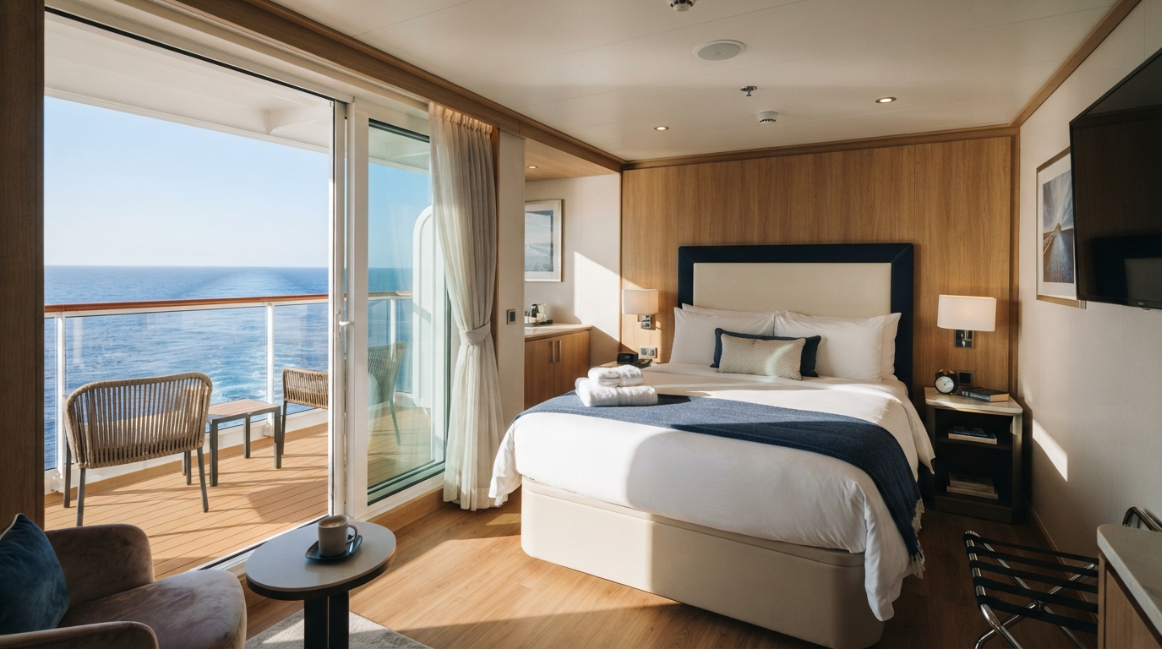
Booking the correct stateroom location provides your first and most reliable line of defense against motion sickness. Think of a cruise ship like a giant seesaw on the water. The extreme bow and stern bounce and sway with every rolling wave, while the central axis stays relatively steady.
Select a cabin located midship on a lower deck, ideally between decks two and five. This location acts as the natural pivot point of the vessel, minimizing vertical rise and lateral roll during choppy ocean crossings. Stateroom booking engines let you view deck plans before paying, so look for cabins surrounded above and below by other staterooms rather than noisy public lounges or engine rooms. Getting a balcony cabin also provides instant access to fresh sea air and a clear view of the natural horizon.
Start Preventative Medications Before Embarkation
Taking motion sickness medication after you already feel nauseous is like putting on a seatbelt after a car crash. Your digestive system slows down once nausea kicks in, preventing pills from absorbing properly into your bloodstream.
Pick up over-the-counter meclizine, sold under brand names like Bonine or generic travel sickness tablets, rather than older dimenhydrinate formulas like original Dramamine. Meclizine causes far less drowsiness, allowing you to enjoy dinner and Broadway-style evening shows without feeling sluggish. Take your first preventative dose of meclizine roughly two hours before your ship casts off from the cruise terminal. Continuing with a daily maintenance dose with breakfast keeps consistent medication levels in your system throughout the voyage, especially when cruising through open ocean channels.
Apply Prescription Scopolamine Patches for Multi-Day Crossings
Long transatlantic itineraries and notoriously rough passages like the Drake Passage often demand stronger medical intervention. Ask your primary care doctor for a prescription transdermal scopolamine patch before leaving on vacation.
You apply this small, circular adhesive patch directly behind your earlobe at least four hours before the ship encounters open water. The patch slowly releases medication through your skin over seventy-two continuous hours, preventing confusing motion signals from triggering your brain’s vomiting center. Remember to wash your hands thoroughly after touching the patch, because accidental contact with your eyes causes dilated pupils and temporary blurred vision. Many seasoned cruisers consider these prescription scopolamine patches the ultimate safeguard for turbulent sea days.
Anchor Your Eyes on the Natural Horizon
Motion sickness occurs fundamentally when your senses send conflicting signals to your brain. Your inner ear feels the ship rocking across ocean swells, but your eyes tell your brain you are standing still inside a stationary room.
Step out onto an open promenade deck and fix your eyes on the distant, steady horizon line. Seeing the true boundary between sky and ocean helps your sensory nervous system recalibrate and confirms the physical motion you feel. If you are stuck inside an interior space without windows, head straight to an open-air deck rather than remaining trapped in a dark hallway. This simple act of visual horizon anchoring relieves dizziness remarkably fast without requiring a trip to the ship infirmary.

Snack on Tart Green Apples and Candied Ginger
Cruise ship crew members rely on time-tested culinary tricks to settle uneasy stomachs during stormy shifts. Head directly to the Lido buffet and grab two or three tart green Granny Smith apples alongside a cup of hot water.
Green apples contain pectin and natural acids that neutralize excess stomach acid and soothe gastric irritation quickly. Fresh ginger also serves as a potent natural remedy for digestive discomfort. Pack a bag of chewy ginger candy, candied ginger slices, or ginger root tea bags in your carry-on bag. Nibbling on real ginger treats suppresses nausea receptors naturally without any groggy pharmaceutical side effects.
Utilize Acupressure Wristbands for Drug-Free Relief
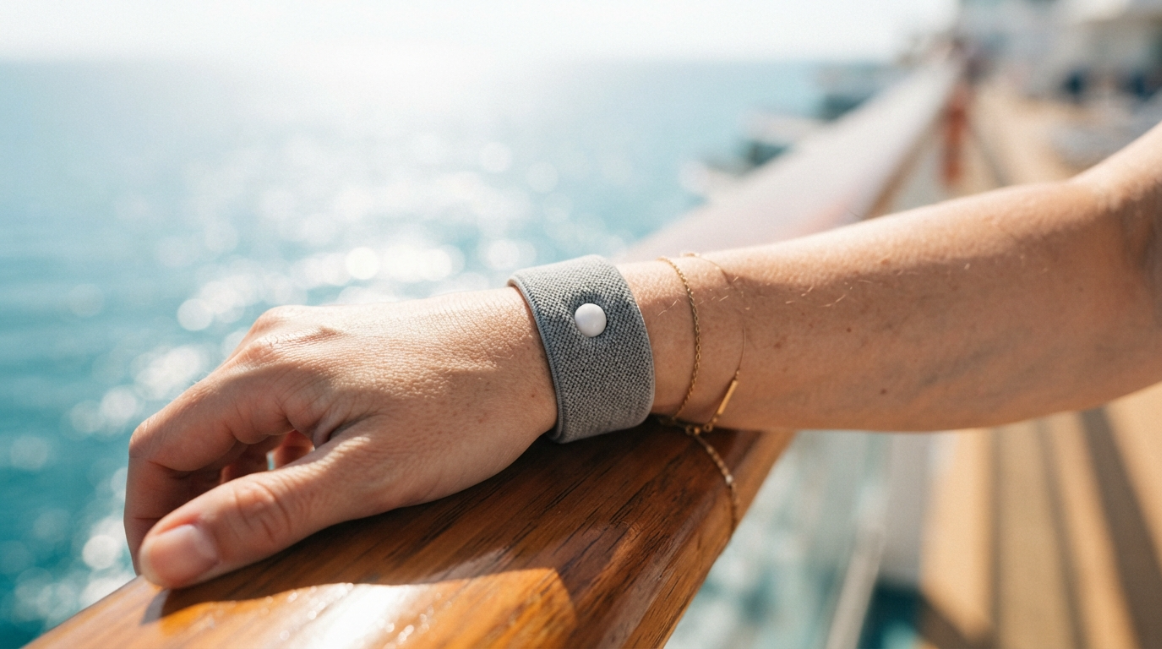
Elastic acupressure wristbands offer a completely drug-free option that works exceptionally well for pregnant travelers and young children. These wristbands feature a small plastic stud that presses against the P6 acupressure point on your inner forearm.
Position the plastic bead roughly three finger-widths below the crease of your wrist between the two central tendons. Applying continuous gentle pressure to this specific meridian point disrupts nausea signals traveling along the nervous system. You can wear acupressure wristbands continuously during high-swell passages or slip them on alongside over-the-counter medications. They dry quickly if they get wet in the pool and take up almost zero room in your daypack.
Modify Your Diet and Limit Heavy Alcohol Intake
Unlimited buffet spreads and tropical cocktails make it tempting to overindulge, but heavy dining makes you significantly more vulnerable to motion sickness. An overloaded or completely empty stomach reacts much more aggressively to ship vibration and pitch.
Eat small, frequent meals composed of dry crackers, plain toast, lean protein, and broth throughout the day. Steer clear of greasy fried foods, heavy cream sauces, and acidic citrus juices when the ship hits choppy waters. While a poolside drink sounds delightful, alcohol causes dehydration and disrupts inner-ear balance fluid. Drinking plenty of fresh electrolyte water stabilizes your hydration levels and keeps your stomach steady during rocky sea stretches.
Seek Out Fresh Air in Central Open Spaces
Stuffy, enclosed indoor spaces amplify feelings of claustrophobia and nausea within minutes. Stagnant air and strong food aromas from dining rooms can instantly trigger a sensitive gag reflex when the vessel rolls.
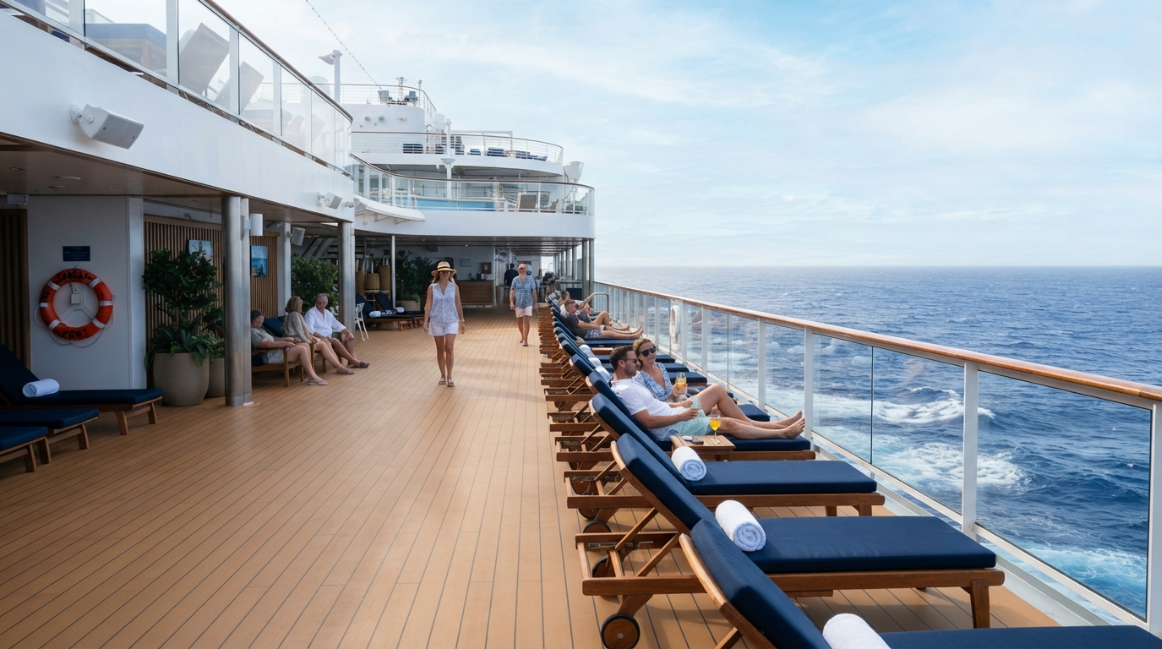
Walk out to the outdoor walking track or a midship promenade deck where crisp ocean breezes blow freely across your face. Cool air on your skin stimulates thermal receptors that help distract your nervous system from equilibrium confusion. Sit quietly in a shaded deck chair facing forward toward the direction of travel. Knowing how to avoid seasickness on a cruise often comes down to finding breezy outdoor deck spaces where cool maritime air clears your head and calms your stomach.
Frequently Asked Questions
What is the most effective medicine to prevent cruise seasickness?
Meclizine works best for general daytime prevention because it causes minimal drowsiness. For multi-day rough passages, prescription scopolamine patches provide continuous relief for seventy-two hours. Start taking your chosen medication a few hours before departure rather than waiting for nausea symptoms to develop at sea.
Where is the best place on a cruise ship to avoid getting seasick?
The lowest passenger deck located directly midship experiences the least motion. This central area acts as the ship’s natural balancing point, reducing vertical bouncing and side-to-side roll. Reserve a central stateroom and spend rough sea hours in lower public lounges rather than high forward observation decks.
Can I get seasickness remedies from the cruise ship medical center?
Yes, cruise ship customer service desks and medical centers regularly stock motion sickness tablets for guests. Most guest service counters provide complimentary packets of meclizine upon request. The ship infirmary also carries prescription-strength antiemetic injections if you experience severe, persistent nausea that oral medications cannot settle.
Does having a balcony stateroom help with seasickness on a cruise?
Balcony cabins help tremendously because they provide instant access to fresh outdoor breezes and a clear sightline of the true horizon. Looking at the ocean horizon allows your eyes and inner ears to sync up, which rapidly reduces the sensory confusion that triggers seasickness episodes.
How long does cruise motion sickness usually last?
Most travelers adapt to the motion within twenty-four to forty-eight hours as their body develops sea legs. Your brain gradually adjusts to the gentle rocking sensation. Using preventative remedies during your first two days at sea ensures you stay comfortable while your equilibrium naturally recalibrates.
Conclusion
Taking control of your cabin location and stocking up on proven remedies before embarkation day ensures you spend your vacation relaxing by the pool instead of hiding in bed. A little proactive planning keeps your stomach calm no matter how active the waves get. What is your go-to trick for staying steady when ocean waters get choppy?
1 thought on “How to Avoid Seasickness on a Cruise”